 Skip to content
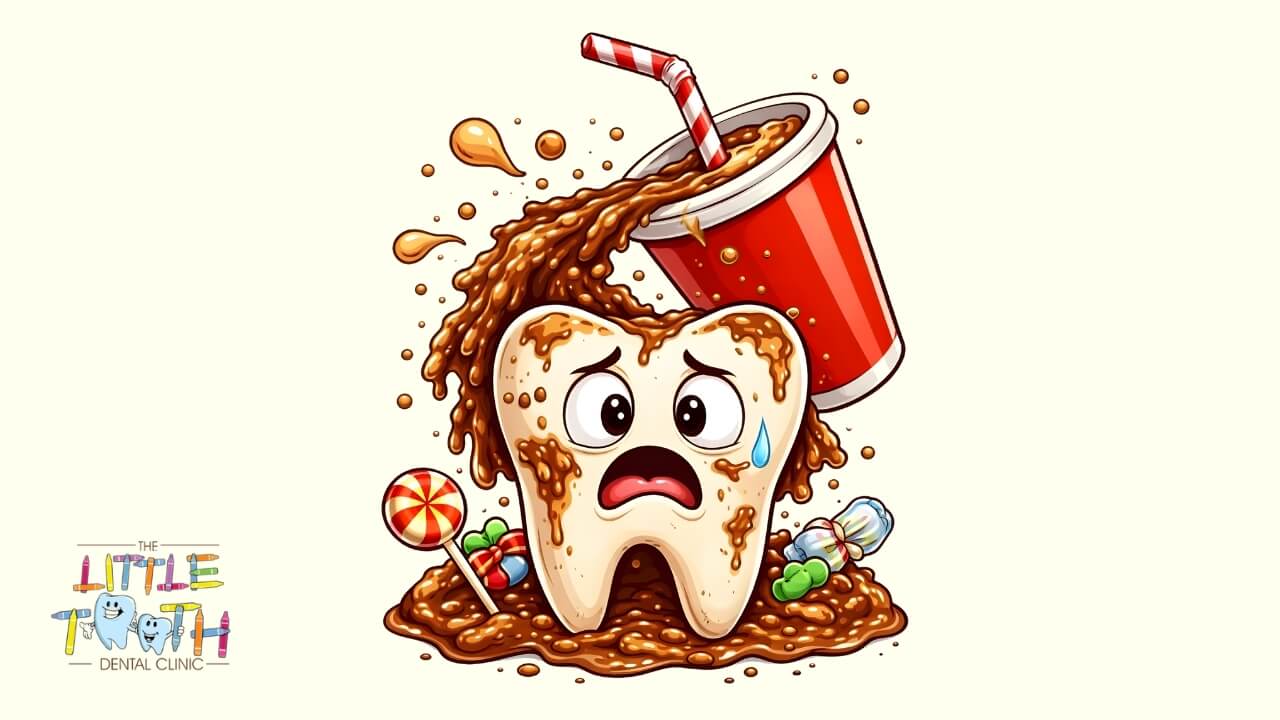
When it comes to your smile, the drinks you choose every day matter more than you think. One of the biggest contrasts we see in dentistry is simple: water versus soda.
It may seem harmless to grab a can of pop with lunch or sip one throughout the afternoon, but over time, that choice can dramatically affect your enamel, your risk for cavities, and even your overall oral health.
Let’s break it down in a practical way.
What Soda Actually Does to Your Teeth
Soda creates a perfect storm inside your mouth. It contains acid, sugar, or both. Here is what happens when you drink it:
1. Acid attacks enamel
Most sodas contain phosphoric acid or citric acid. These acids lower the pH level in your mouth. When the pH drops, enamel begins to soften. This process is called demineralization.
Over time, repeated acid exposure can thin enamel, making teeth more sensitive and more vulnerable to decay.
2. Sugar feeds bacteria
The bacteria in your mouth love sugar. When you drink soda, those bacteria feed on the sugar and produce more acid as waste. That means even more enamel damage.
3. It often lingers
Many people sip soda slowly for an hour or more. Every sip restarts the acid attack. Instead of one short exposure, your teeth can be under acid stress for a long stretch of time.
Even diet soda is not harmless. While it may not contain sugar, it is still acidic and can erode enamel over time.
What Water Does for Your Teeth
Water is one of the most powerful and underrated tools for oral health. Here is why:
1. It rinses away debris
Water helps wash away food particles and bacteria. It reduces the fuel available to harmful bacteria.
2. It balances your pH
Drinking water helps restore your mouth to a healthier pH level after eating or drinking acidic foods or beverages.
3. Fluoride protection
If your community water contains fluoride, it strengthens enamel and helps prevent early-stage decay.
4. It supports saliva production
Saliva is your body’s natural defense system for your teeth. It neutralizes acids and helps repair enamel. Staying hydrated supports healthy saliva flow.
The Long-Term Difference
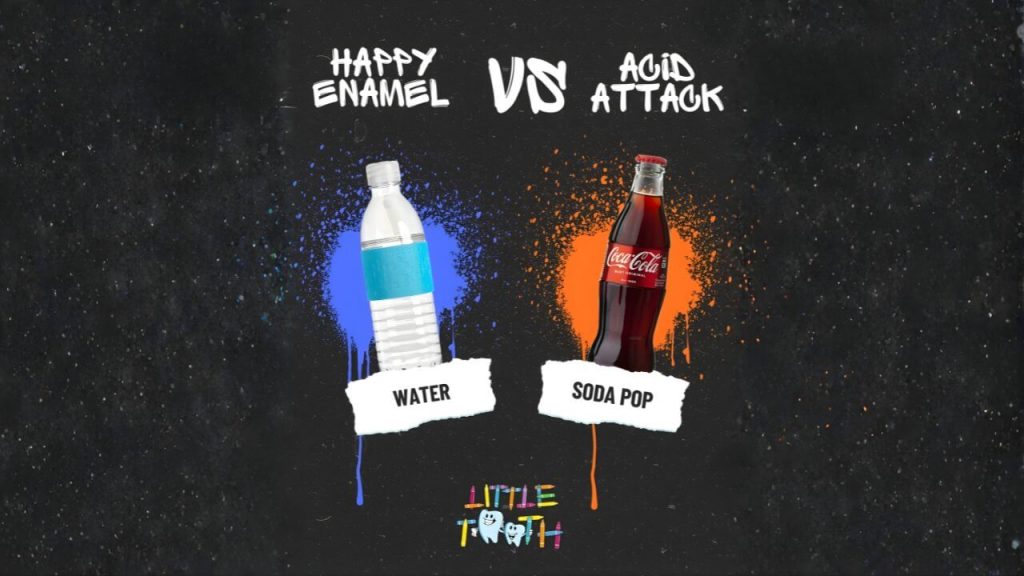
Let’s imagine two habits over ten years. One person regularly drinks soda throughout the week. The other mostly drinks water and saves soda for rare occasions. The soda drinker is more likely to experience:
- Enamel erosion
- Increased tooth sensitivity
- More cavities
- Staining
- Higher dental costs over time
The water drinker is more likely to experience:
- Stronger enamel
- Fewer cavities
- Less sensitivity
- A brighter smile
- Lower long-term dental expenses
It is not about perfection. It is about patterns.
Does That Mean You Can Never Have Soda?
Not at all. Dentistry is about balance and smart choices. If you do enjoy soda, here are a few practical tips:
- Drink it with a meal rather than sipping all day
- Use a straw to reduce contact with teeth
- Rinse with water afterward
- Wait at least thirty minutes before brushing to avoid brushing softened enamel
- Keep up with regular dental checkups
Small changes make a big difference.
A Simple Question to Ask Yourself
The next time you reach for a drink, ask this: Is this strengthening my smile or slowly weakening it?
Most people do not think about their teeth when choosing a beverage. But those daily decisions add up. Water protects. Soda challenges.
If you want to protect your enamel, reduce cavities, and keep your smile strong for years to come, water is one of the easiest upgrades you can make. Your teeth will thank you for it.
