
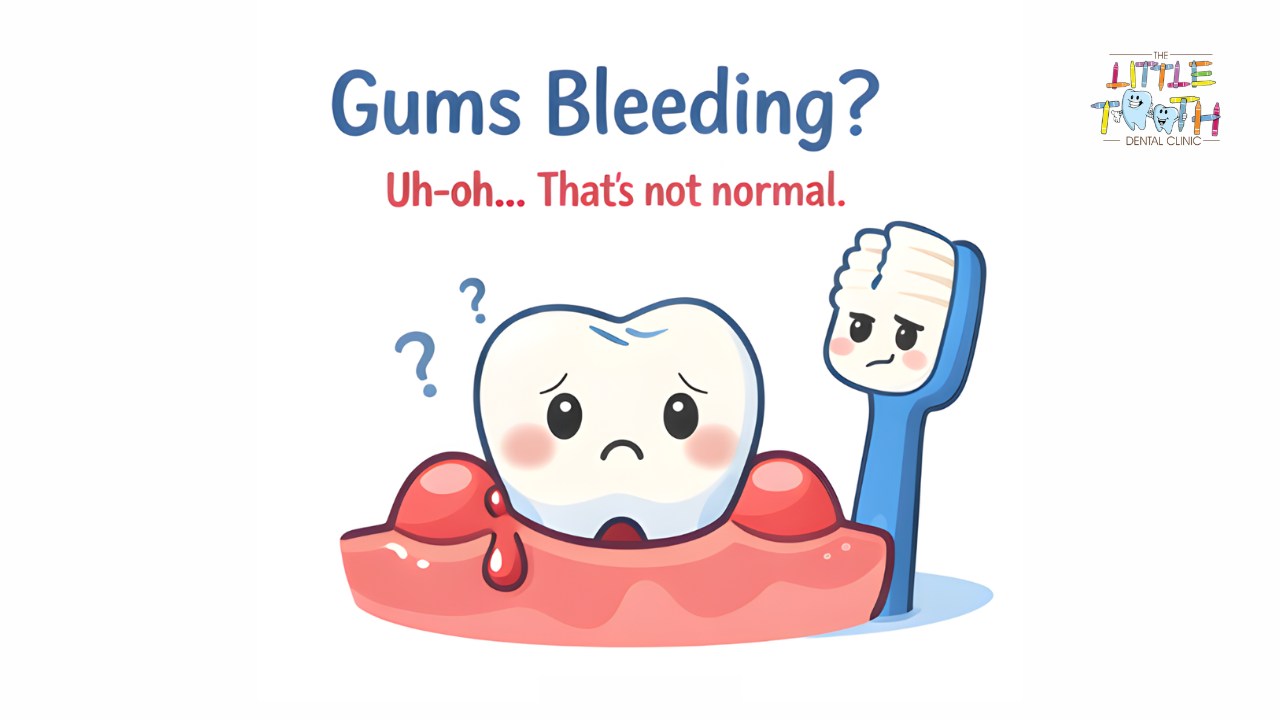
When you brush or floss, and your gums are bleeding, you can easily brush them off. You notice some pink in the sink, run it under some water, and continue on with your day.
But here is the point–your gums do not bleed without reason. They are attempting to say something.
Bloody gums are not one of those things. Many believe that bleeding gums are normal, particularly when it occurs only once in a while.
They’re not. Mouth gums are healthy and will not bleed during brushing. You do not bleed when flossing them. And they do not make the blood flow when you eat something crunchy.
It’s just that if you notice it, even a bit, then it is normally an indication that something is wrong.
What’s actually going on
Inflammation usually reduces to bleeding gums most of the time.
When the plaque accumulates over your gumline and is not completely removed, your body responds. The gums swell a little, become very sensitive, and irritated.
It is then you begin to notice the bleeding. It can be present during brushing. Or when you finally floss, having missed it awhile. At times it goes hand in hand with offensive breath that will not clear.
This is known as gingivitis and here is the key part, this is 100 per cent reversible.
The Flossing Myth
This is one that catches many on its heels. You attempt to floss, your gums spurt and your immediate thought is to quit.
Of course it does… but it is the last thing you want to do.
When you bleed when you floss, it is likely that your gums are not accustomed to it yet. Things normally get better very soon once you begin flossing regularly. After a few weeks, or a week or two, the bleeding subsides as the gums become healthy.
And so, to the extent, it is a reason to continue with it, not to abandon it. Other times it is something different.
Although the most common cause is the buildup of plaque, it is not the only one.
Overbrushing may cause irritation to your gums. And so can a hard-bristled toothbrush. Changes in hormones, some drugs, or even little things like some dental procedures that just aren’t fitting well, can contribute to it.
Whatever the cause, bleeding is a signal that something must be attended to.
What Happens If You Ignore It
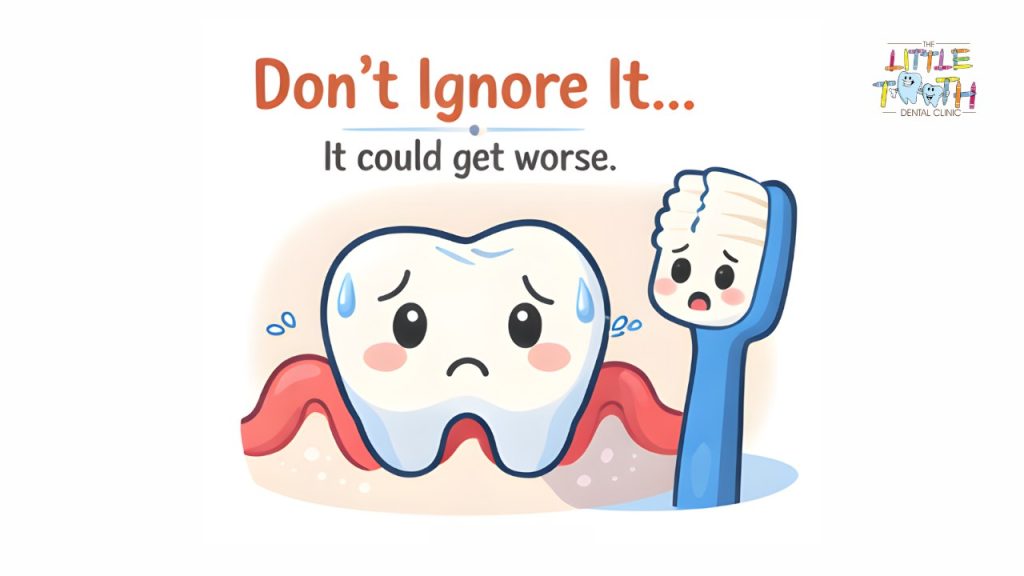
That is where it can silently deteriorate.
Unless that initial inflammation is addressed, it may develop into more severe type of gum disease known as periodontitis. By then, it is no longer a question of irritated gums, but may begin to have an impact on the bone you have that holds your teeth.
With time it may result in recession of the gums, loose teeth and eventual loss of teeth in severe situations.
It does not even remain in your mouth. The relationship between gum disease and overall health, such as cardiovascular health and persistent inflammation, is increasing.
The Good News
This is one of those situations where small, consistent habits go a long way.
Brushing twice a day, flossing regularly, and using a soft-bristled toothbrush can make a big difference. Add in routine dental cleanings, and you’re usually able to stop things before they become a bigger issue.
If your gums are bleeding, it’s not something to panic about, but it is something to take seriously.
When It’s Time To Come In
If the bleeding keeps happening, or if your gums feel swollen or sore and things aren’t improving after a couple of weeks, it’s worth getting it checked out.
Sometimes all it takes is a proper cleaning and a bit of guidance to get everything back on track.
Your gums should feel firm, healthy, and comfortable…not sensitive or bleeding.
If you’ve been noticing blood when you brush or floss, don’t ignore it. It’s your body’s early warning system, and catching it early makes all the difference.
If you have questions or want to get things checked out, we’re here to help.