
Brushing your teeth seems simple, since most of us have been doing it since childhood. The thing is, however, that many individuals brush improperly, and even the slightest mistake in their routine may cause cavities, gum irritation of the gum, and the accumulation of plaque in the long run.
In The Big Tooth Dental Clinic, among the other most frequent observations by the dental team, patients tend to brush their teeth frequently but not well. The good news? Such minor changes can go a long way toward improving your oral health.
These five are just a few examples of the most typical brushing mistakes that we usually encounter… and ways to correct them.
1. Brushing Too Hard
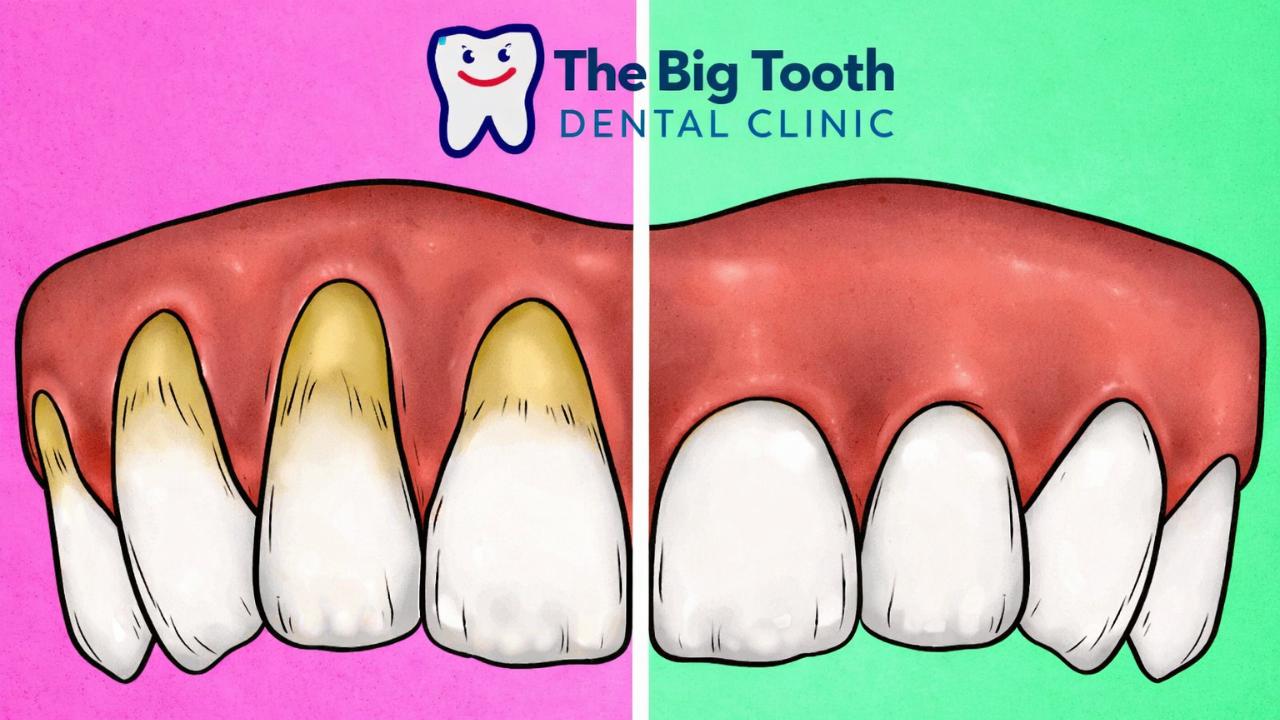
It is commonly believed that the more one brushes, the cleaner his or her teeth are. As a matter of fact, a hard brushing may even destroy your teeth and gums.
Brushing too hard can:
- Wear down enamel
- Cause gum recession
- Make teeth more sensitive
Rather, apply soft pressure and leave the bristles to the job. The most effective and the safest method is often a soft-bristled toothbrush with small circular movements.
Tip from our Saskatoon dentists: When your toothbrush bristles get flattened or frayed very fast then you are probably brushing too hard.
2. Not Brushing Long Enough
The average individual spends 30-45 seconds brushing their teeth, yet dental professionals suggest spending a minimum of two minutes brushing.
The time gives you the opportunity to clean up properly:
- Front teeth
- Back teeth
- Chewing surfaces
- Along the gumline
Most electric toothbrushes have built-in timers to help ensure you brush properly and on time.
Dr. Houseman hints: “Break down your mouth into four parts and devote 30 seconds on each side.
3. Missing the Gumline
The plaque can pile up just at the junction of the teeth and the gums, yet most humans are brushing the flat side of their teeth only.
Handle the brush properly. Hold your toothbrush at approximately an angle of 45 degrees to the gumline and brush the toothbrush softly along the gumline. This prevents plaque formation into tartar.
Early gum disease, such as gingivitis, can also be avoided using this technique.
4. Using the Wrong Toothbrush
Not every toothbrush is the same. A hard-bristled brush or one with a too-large head may not brush so well.
Dentists usually prescribe:
- Soft-bristled toothbrushes
- A smaller brush head so that it can reach back teeth easily.
- Changing the toothbrush after every 3-4 months.
- Many patients can also have the benefits of using electric toothbrushes to enhance their brushing habits and skills.
5. Forgetting Your Tongue
A large number of bacteria are capable of getting into your tongue. Unless it is regularly cleaned, it may lead to poor breath and bacteria.
Once you have brushed your teeth, brush your tongue or clean your tongue with a tongue scraper to clean the bacteria in your mouth and clean your mouth.
It is one of those steps which can be easily missed.
A Healthy Brushing Routine
An efficient day routine must consist of:
- Brushing two times a day, two minutes.
- Flossing once per day
- Cleaning your tongue
- Seeing your dentist to check up and clean your teeth at least once a year.
Professional cleanings are also necessary even with excellent brushing behaviors, since they get rid of tartar, which cannot be eliminated by brushing only.
Need a Dental Checkup in Saskatoon?
In case you have not cleaned your teeth in a long time, then our team of The Big Tooth Dental Clinic will be glad to assist you.
Dental visits help us to:
- Catch small issues early
- Brush up teeth and gums.
- Assist you with brushing your teeth in case.
Your smile is one of your most valuable investment and a few brushing tips can help a lot to take care of it.