 Skip to content

As the Canadian winter arrives and the crisp air enters, your teeth may react in unfamiliar ways. A cold-weather walk, being outside with your mouth open, or taking a hot cocoa after the walk can all trigger that annoying “zing” of tooth sensitivity. While most of us blame it on colder weather, there is an actual dental reason.
What’s Really Going on
Here are some of the main reasons your teeth may be more sensitive than usual when the temperatures drop:
Thermal Contraction and Expansion
Our teeth are being exposed to the same physics as other materials around us (hot, then cold, then hot). When our teeth are exposed to cold air and then enter into a hot home (or vice-versa) they contract and expand. This can cause microscopic cracks or stress points in the enamel, even in the absence of apparent damage.
Exposed Dentin or Roots
Beneath enamel is dentin, which has tiny tubes/tunnels in it that run all the way through to the nerve of the tooth. With worn-out enamel or receding gums, they can expose those tubes, allowing the cold air (or hot chocolate!) to reach those nerve fibers more quickly.
Cracks, Fillings, or Stand-alone Weak Areas
If you have older fillings, micro-cracks, or worn teeth, the cold weather is like a trigger. Cold air can compress those weak spots and send signals to your nerve endings.
Sinus Trouble or Dry Mouth
Winter virus season is on with drier indoor air. The congestion of sinuses may refer pain to your upper teeth, and dry mouth decreases the action of saliva that normally shields your teeth, both of which increase sensitivity.
So What Can you Do About it?
At The Little Tooth Dental Clinic, we have a few helpful dentist-approved tips designed to help you keep your smile comfortable this chilly season:
Use this Toothpaste for Tooth Sensitivity
If your teeth tingle when you breathe cold air or drink a hot drink, switch to a desensitizing toothpaste. These formulas prevent the dentinal tube occlusion and soothe nerves.
Something about Temperature Swings to Watch out for
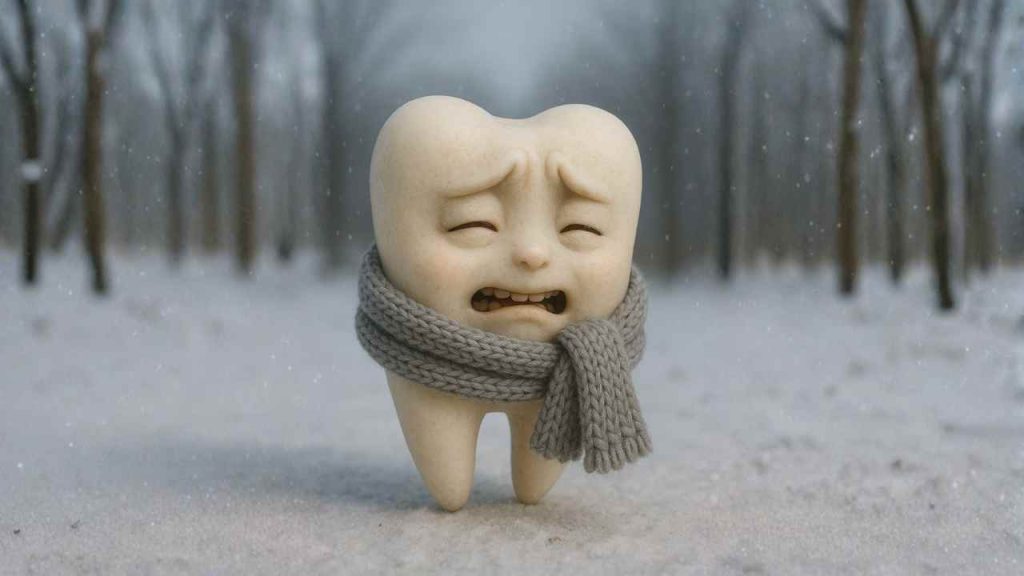
To prevent direct exposure to cold air while outside, try wearing a scarf over your mouth. Don’t chug a cold drink as soon as you are coming in from the cold.
Use a Soft-bristle Toothbrush and Brush Gently
Aggressive brushing can wear enamel and expose roots. Your teeth do not need scrubbing, but care.
Keep your Mouth Moist & your Saliva Flowing
Less water consumed in winter = less saliva, and dry indoor air. Chew sugar-free gum after meals, and drink lots of water.
Skip Acidic or Highly Cold/hot Extremes
In particular, icy slushy drinks immediately after they come out of the cold, or very hot drinks, can cause sensitivity. Provide a time buffer for the teeth.
Regular Check-ups Matter
Tooth sensitivity can sometimes indicate a more serious issue, such as cavities, gum disease, or cracked teeth. If the pain persists, call us at The Little Tooth Dental Clinic. It is better to check early before something more serious occurs.
Bottom Line
Cold weather can affect your teeth, but that doesn’t have to happen during winter. If you have noticed an increase in sharp sensations when the wind blows harder or you’re drinking your warm drink, you’re not imagining things. With a few simple measures and some extra attention this season, you can keep calm and protect your smile.
If you’re interested in identifying the specific cause of your sensitivity or exploring potential treatment options (such as professional fluoride varnish or having exposed roots covered with bonding), our team at The Little Tooth Dental Clinic is at your disposal. Keep warm, look after your teeth, and enjoy all that this season has to offer – without the bite of discomfort.
